

Domestic gas supply in several European cities contains high levels of benzene, an odorless substance that can cause cancer, according to research released on Wednesday.
Gas samples taken in UK homes contained 37 times more benzene than North American gas, on average, while concentrations in the Netherlands were 66.5 times higher, researchers at Stanford University and independent research institute PSE Healthy Energy found. There is no safe exposure level for benzene, which is associated with leukemia and other long-term health impacts and diseases, according to the World Health Organization.
“We were surprised by how much higher the benzene in gas could be” in European homes, said Tamara Sparks, an air quality scientist at PSE and lead author of the study. “That just makes those health impacts even more concerning.”
While outdoor pollution has been extensively researched and is routinely monitored, air quality in homes has become a focus for researchers much more recently. Some studies have found homes equipped with gas stoves have higher levels of nitrogen dioxide, while others have linked gas stove use to childhood asthma cases and a higher risk of lung conditions like bronchitis and pneumonia for children.
The PSE/Stanford paper, published in the journal Environmental Research Letters, is the first to reveal the widespread presence of benzene in gas in European homes. It follows similar research in North America, where an analysis of samples from 481 residences in 17 cities found nearly all contained benzene. Using the North American study as a baseline, the researchers found London gas contained 64 times more benzene, Amsterdam 73 times more and Milan 8.5 times more.
Researchers collected samples in 72 homes in the UK, the Netherlands and Italy. They also checked for gas leaks when stoves were switched off and found they occurred in about 40% of kitchens. They concluded that 9% of homes had leaks large enough to exceed UK and EU recommended limits for benzene exposure.
“Benzene exposure is cumulative,” Sparks said. “Higher levels for a shorter time can be as bad as, or similar, to lower levels over a longer period of time.”
Gas companies add sulfur-based odorants to domestic gas to help people detect leaks and avoid explosions. But in the UK and the Netherlands, odorant levels were too low to alert most people to leaks containing high levels of benzene, the researchers found. At the average odor level measured in gas, benzene could rise nine times over the national limit in the UK and nearly five times the EU limit in the Netherlands before a gas leak could be smelled, they calculated.
“Not only are smaller leaks leading to hazardous benzene concentrations,” Sparks said, “but lower odor means you’re even less likely to be able to smell that there’s a leak and do anything about it.”
Ventilation while cooking — opening a window or turning on a vent hood — helped lower indoor pollution significantly, the paper found. But a steady gas leak would require multiple hours of ventilation a day.
“It’s challenging to deal with this as an individual,” Sparks said. “This is really a systemic problem, so there’s only so many actions that individuals can do.”
Gas companies increasing odorization levels in domestic gas would help people detect small leaks, Sparks said. But, she added, the best measure would be for countries to pass regulation requiring companies to remove benzene from gas before it’s delivered to homes.
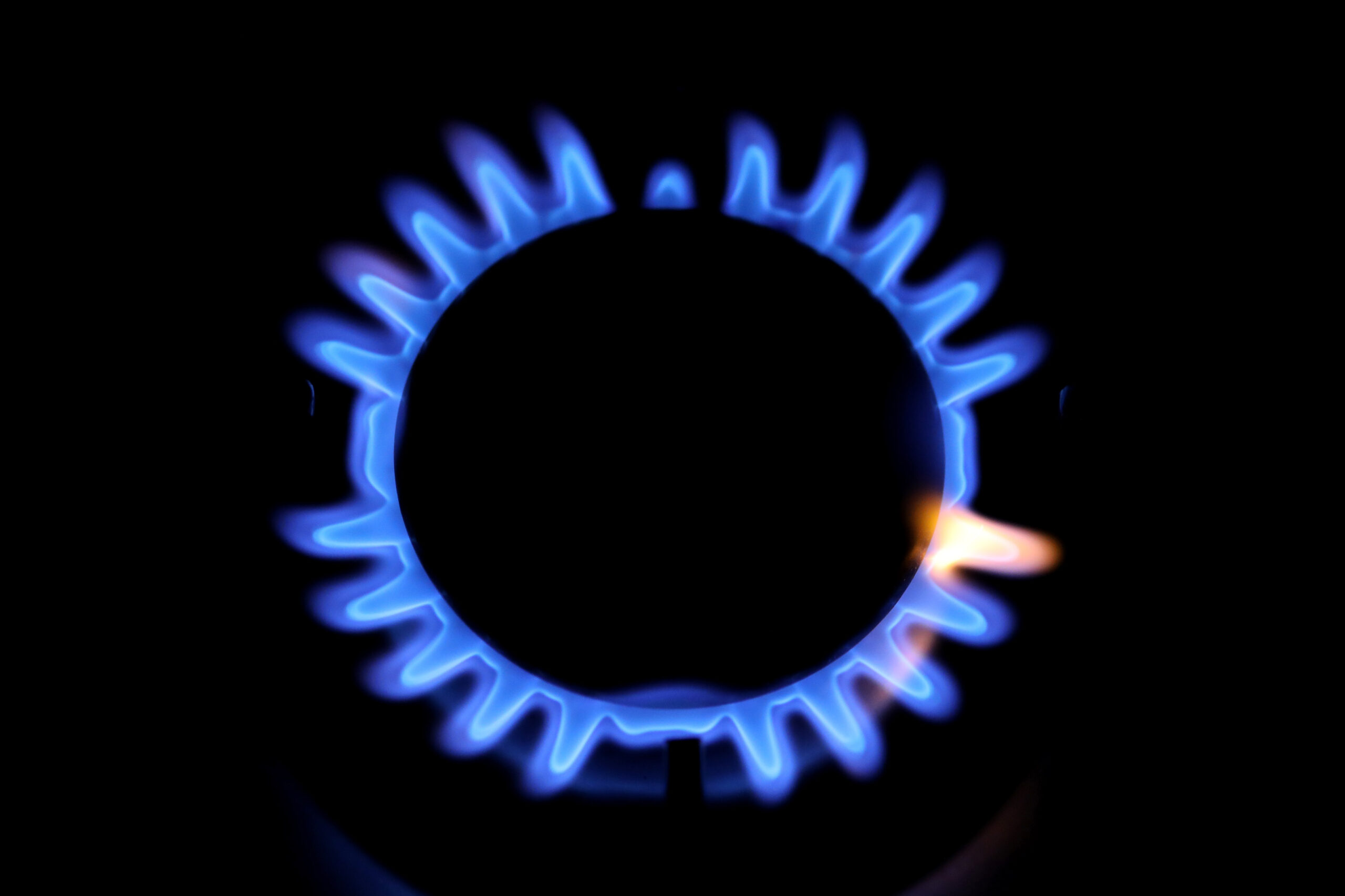
Photograph: Natural gas burns on a domestic kitchen stove. Photo credit: Alessia Pierdomenico/Bloomberg
Copyright 2026 Bloomberg.
Topics
Europe
The most important insurance news,in your inbox every business day.
Get the insurance industry’s trusted newsletter
