

The article is part of a partnership between the Commonwealth Fund and the Bassett Research Institute in Cooperstown, N.Y., to explore innovative approaches to the health care challenges facing rural communities across the United States.
A UC Berkeley alumna who made a small fortune by identifying and responding to rural health needs is betting on 100 students from rural communities to drive changes in policy and practice. A joint research project they are undertaking may generate new insights about the access and affordability barriers rural residents across the U.S. face.
Although Lynn Barr, MPH, is arguably one of the most successful people to graduate from UC Berkeley’s School of Public Health, she doubted she’d even get in. She was nearing 50 when she applied with an undergraduate degree cobbled together from online courses taken at night while she was deployed in the U.S. Army. The admissions committee saw far more: a person who escaped hardship by joining the military at 17 and had the tenacity to succeed at developing four different businesses.
“It was clear she was someone who would crawl over broken glass to reach a goal,” says Kim MacPherson, MBA, MPH, a faculty and admissions committee member.
Becoming one of the oldest students on campus may have made her more daring. When told to get a summer internship, she followed Jonah Frohlich, MPH, California’s then-deputy secretary of health information technology (IT) out of a presentation and asked for a job. He put Barr and the classmates she brought with her to work gathering input on California’s strategic plan for health information exchange. As they crisscrossed the state in the summer of 2009, listening to leaders of large academic medical centers, federally qualified health centers, and rural hospitals and clinics, Barr was struck by how few resources the rural providers had relative to their urban counterparts.
“They didn’t have computers, much less electronic medical records, or the money to buy them,” she says. Like the admissions committee, Barr was impressed by what they accomplished with few external resources.
I fell in love with these communities where everyone would get around a table and fix a problem.
After graduation, Barr made it her full-time job to support them. She partnered with a health plan to create a loan program that enabled rural hospitals and clinics to purchase health IT. A few years later, she launched Caravan Health, a company that helped rural and safety-net providers with few patients break into and succeed in the Medicare Shared Savings Program, which rewarded them for improving quality and lowering costs. To mitigate the risk of losses, the company put hospitals with small numbers of patients together and offered them coaching in population health management techniques. Barely a decade later, she sold the company to Signify Health for $300 million, which included $60 million in stock. Those shares doubled in value a year later when Signify Health was acquired by CVS Health.
Building an Army of Rural Health Advocates
The sale was a windfall for someone who grew up relying on food stamps and Medicaid to survive. Barr is using $10 million to help 100 people who live and work in rural communities attend UC Berkeley’s On-Campus/Online Master of Public Health (OOMPH) program. The gift covers all their expenses: tuition, books, and two weeklong trips to campus over the 27-month program. The scholarships for the Rural Health Innovation Program are geared toward midcareer professionals who want to use training in data science, population health management, and health care financing to solve problems locally and elevate rural health concerns nationally.
Barr hopes to create a cadre of rural health leaders who grasp the nuances of health policy and financing and can help state and federal policymakers understand how Medicare and Medicaid policies sometimes disadvantage rural residents and exacerbate health disparities. Like MacPherson and other Berkeley faculty, she also believes bringing urban and rural students together in the classroom will bridge any political or cultural divides, leading to more effective and inclusive public health policies.
Rural communities had a 30% higher death rate from COVID-19 than the rest of the country because the public health community wasn’t prepared for people not wanting to vaccinate. We need to make our messages more inclusive. The beauty of bringing rural folks into Berkeley is that it populates the conversation.
Since the program’s launch in 2024, 80 students from 27 states have enrolled, bringing the share of rural students in the OOMPH program to more than one in four. Nearly 40 percent are clinicians eager to address the drivers of poor health outcomes they see working in hospitals, health clinics, and federally qualified health centers. Others are employed by nonprofits or state and county health departments in more traditional public health roles, including building capacity to respond to disease outbreaks, environmental hazards, and chronic disease.
All share a desire to solve big problems. “They see the world as a place that could be better than it is and come to Berkeley for the toolkit and the connections to execute their vision,” MacPherson says. “They are people who will not take no for an answer.”
Putting New Ideas to Work
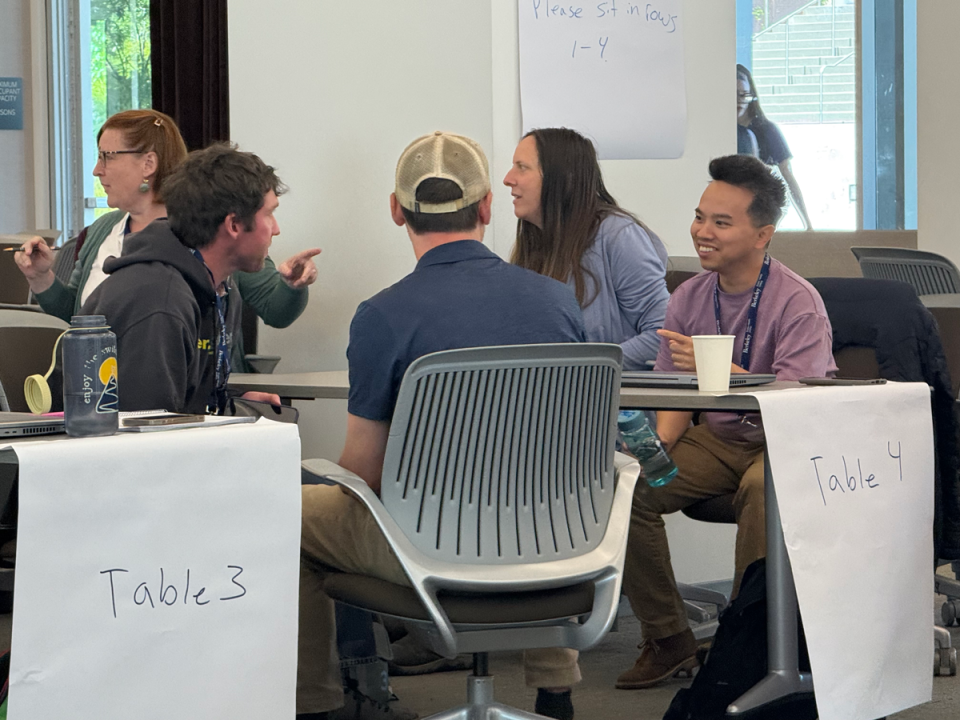
The coursework mirrors what public health professionals do day in and day out: collect and analyze data, inventory existing resources, and build coalitions to improve specific health outcomes. Students work in teams and are encouraged to test new ideas in their own communities, a place-based approach to learning that Deborah K. Barnett, PhD, MS, the assistant dean for education, honed two decades ago when she taught lab science by phone from a remote town in Alaska. Living in an area where the population dwindled to 900 in winter months made Barnett acutely aware of how stigma, an orientation toward self-reliance, and a desire for privacy dissuade rural residents from seeking help for treatable conditions like depression or sexually transmitted diseases.
“You walk into a clinic and you either have a relative who works there, or a neighbor who is going to watch you go in,” Barnett says.
Joining a cohort of professionals already familiar with how social norms shape health behavior was part of the draw for Kalisha McLendon, DDS, one of five rural dentists now enrolled. She works in a federally qualified health center in Missouri where, on some days, she’s not just the dentist but also the office manager, dental assistant, and care coordinator. “It was such a relief to be able to talk to people who face similar challenges,” she says.
McLendon has been keen to understand and influence how Medicaid policy is set, especially after seeing how many low-income patients in her community resign themselves to getting dentures as early as their 20s or 30s because root canals and crowns aren’t covered by her state’s Medicaid program. She had first tried a health management program at another top-ranked university but left when she found the curriculum and class discussions failed to account for differences in the way rural markets function, including the outsized role informal volunteer networks play in meeting patients’ needs, or the burnout employees and administrators can experience from wearing so many hats.
In class, urban and rural students pore over financial statements and learn how the size and scale of critical access hospitals can make it more costly to raise capital and more difficult to find strategic partners. They also see how margins differ for health plans, including Medicare Advantage plans that can earn higher premiums by signing up rural residents and then profit by steering them to lower-cost urban care providers. Students find commonalities between inner-city and rural providers who are confronting medical mistrust from patients, workforce shortages, and lack of access to cutting-edge treatments and equipment, MacPherson says.
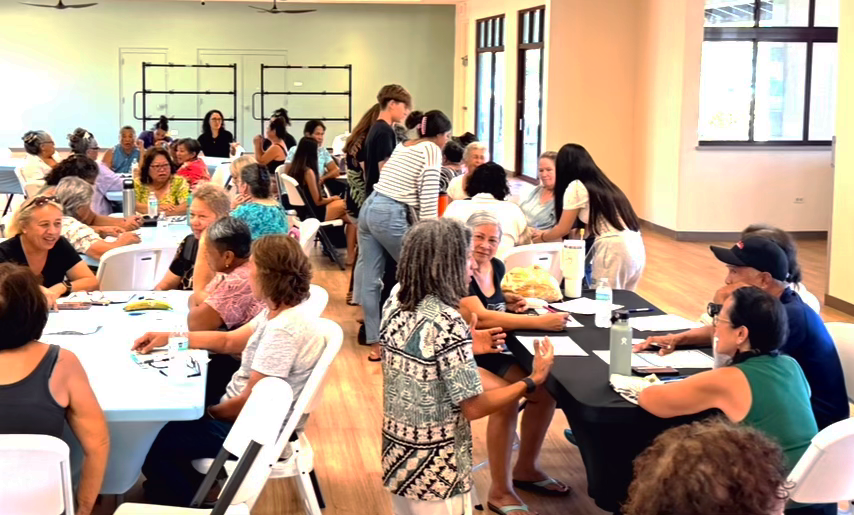
What is striking about the program is how quickly some students have put lessons into practice, whether it’s improving water quality in areas where there’s pesticide runoff or finding ways to tackle topics sometimes considered taboo in small communities, like youth suicide, substance use, or sexual assault. In her first class, Lisa Rantz, executive director of the Hilo Benioff Medical Center Foundation, partnered with three classmates to document how transportation barriers, food insecurity, and workforce shortages contribute to poor diabetes outcomes on the Hawaiian Islands. She used the report to secure a $400,000 grant from a manufacturer of continuous glucose monitors, which she used to host community meetings with residents affected by diabetes.
“What we found is that the further along people are in their disease, the less care and support they actually got from the health care system,” she says. In one instance, a man with advanced diabetes who’d already had two limbs amputated couldn’t get approved for a continuous glucose monitor, but his newly diagnosed wife did.
Rantz also found many people who have received diabetes treatment for years didn’t have even a basic understanding of the disease. Hawaii’s lawmakers have taken a keen interest in the findings, she says, as has the medical community. Kevin Rogers, DO, a medical resident and former health coach, developed a diabetes education program called Ditch Da Diabetes that’s being spread across the islands using a train-the-trainer approach. “He teaches people how to cook a diabetic-friendly meal using local ingredients for $5 or less,” Rantz says.
Walking groups have sprouted up around the events, and participants, grateful for the training and aware there’s a waiting list, often volunteer to give up their seat for others. “They say, ‘I understand now. I’m going to leave, so you can put someone else in my place,’” she says.
John Corbin, who manages data, informatics, and communications for the Garrett County Health Department in Maryland, leveraged what he learned in class to build community support and a sustainable business plan for a permanent food bank with local partners. His Appalachian county, nestled between Pennsylvania and West Virginia in Maryland’s panhandle, is home to Deep Creek Lake, a small-scale version of Lake Tahoe. People with second homes have driven up the median income level, obscuring the extreme poverty he is more familiar with.
We have $6 million mansions featured in Better Homes and Gardens and three miles away, homes with packed dirt floors, some of which don’t have plumbing.
When Corbin was young, his family sometimes struggled to make ends meet, so he knows the survival strategies people living in remote areas rely on, like eating food past its expiration date. As a teen he located what may be the only public bathroom in the county that locks — it’s in a CVS — and used it to bathe when the family’s water pump was out for weeks.
Corbin says he didn’t question why the department focused almost exclusively on clinical interventions, including offering flu vaccinations and mental health supports, until he took a course that explored the social, economic, and environmental determinants of health. The class prompted him to think of food insecurity as a health issue. He started partnering with outside organizations like health plans and community development agencies that might have an interest in tackling food insecurity in a more ambitious way.
“In a matter of months, we went from thinking about getting a couple of shelves and cans for people in need to creating a full-fledged food bank with a network of health and social service partners,” he says. The food bank, known as the 360 Access Hub, opened last October in a space owned by an area nonprofit.
One Medicaid managed care plan provided some upfront funding, while another agreed to reimburse the food bank’s services in hopes members’ health could be improved by more reliable access to food. Local farmers are paid to supply the fresh produce, meats, and cheese that go into meal boxes, while a chef from the school district demonstrates how to use the ingredients in videos produced by local high school students.
Corbin and his colleagues in the health department are now thinking about how to forge partnerships with health departments and providers in neighboring counties in Pennsylvania and West Virginia so they are better prepared when changes in state policy or local practice lead patients to cross county or state lines for care. “This program helped me understand we have to think in terms of these broader systems, not just the little edges around us,” Corbin says.
Embedding the Rural Perspective into Policy Discussions
At Lynn Barr’s recommendation, students who received scholarships through the Rural Health Innovation Program are collaborating on a research project that requires each student to conduct at least seven in-depth interviews with area residents to better understand the access and affordability issues they face. By the time the project is completed in 2027, they will have collected as many as 700 examples of how people in rural communities make decisions about where and when to seek care.
The interviews are helping students understand how payment models designed to sustain rural hospitals and clinics, including cost-based reimbursement for critical access hospitals and enhanced payments for rural health clinics, can increase revenues for providers but result in higher cost-sharing obligations for rural residents, leading them to bypass local providers or avoid care altogether.
One student interviewed a couple in their 90s who had cataract surgery performed by the same physician. The husband, who received care at a hospital adjacent to an urban community, had no copayment, while the wife, who had surgery at a critical access hospital closer to home, received a bill for $1,800. Students are also documenting the challenges patients face in accessing home health services.
For her interviews, McLendon approached a church in a town of 500 to ask if parishioners might be interested in sharing their experiences and found they were thrilled to be asked. She was surprised by how efficiently they had sized up access barriers and developed strategies to buffer the threats those presented.
“They knew which insurance would cover them if they needed to be airlifted to St. Louis and had identified people in the community who could drive them if necessary.” But many had to make difficult choices between covering basic necessities — like groceries, rent, or a mortgage — and medical care and put off seeking care until it couldn’t be avoided. “By that point, treatment options were more limited, and outcomes were worse,” McLendon says.
Julie Cross, DO, a primary care clinician in Eureka, Mont., hasn’t gotten to the interviewing stage but already has a list of changes she’d like to see Medicare, Medicaid, and commercial insurers make to engage people who have minimal resources and are already skeptical of the industry’s profit motives. Her town of roughly 1,300 near the Canadian border has no stoplights but an abundance of deer and wild turkeys. Roughly a third of the patients she sees at the rural health clinic lack reliable transportation or gas money and delay getting care until their conditions are advanced or an injury demands it.
Cross has worked hard to earn their trust, only to see it undone by insurance policies and practices that impose additional costs on them — like a requirement to get an X-ray when a CT scan has already confirmed their disease, or refusing to approve payment for a device until a patient sees a specialist, when the closest one is at least an hour away. She’s also seen bad billing experiences ripple through the community at lightning speed, as happened when a patient who was undergoing a screening colonoscopy had a polyp removed, generating a $1,500 bill. “There’s a zero percent chance I’m going to be able to convince another person to get a colonoscopy after something like that happens,” she says.
Cross signed up for the OOMPH program in hopes the credential would give her a seat at the table in policy discussions. That’s Barr’s wish, too. Cross, McLendon, and Rantz are among 16 students in the program to be selected as health policy fellows. They receive additional coaching and mentorship from advocacy firms and Barr herself, culminating in a five-day visit to Washington, D.C., where they meet with staff of the Medicare Payment Advisory Commission (MedPAC, where Barr is a commissioner), congressional committees, and the National Rural Health Association.
Rantz is using the coaching to engage Hawaii’s governor and elected representatives in discussions about the central role that low Medicare reimbursements play in exacerbating workforce shortages. Medicare bases physician compensation in part on a wage index that critics say fails to account for the higher cost of living in Hawaii and other anomalies in its labor markets. The wage-to-expense gap is reinforced by Medicaid and commercial insurers that mirror Medicare rates.
To afford island living, many clinicians provide care, via telemedicine, to patients in states where the wage index is higher rather than caring for local residents. The small size and scale of provider organizations also make it difficult to compete for federal funding for workforce training. Rantz is hoping to leverage opioid settlement dollars and Rural Health Transformation Program funds to bridge the wage gap and thereby strengthen workforce capacity.
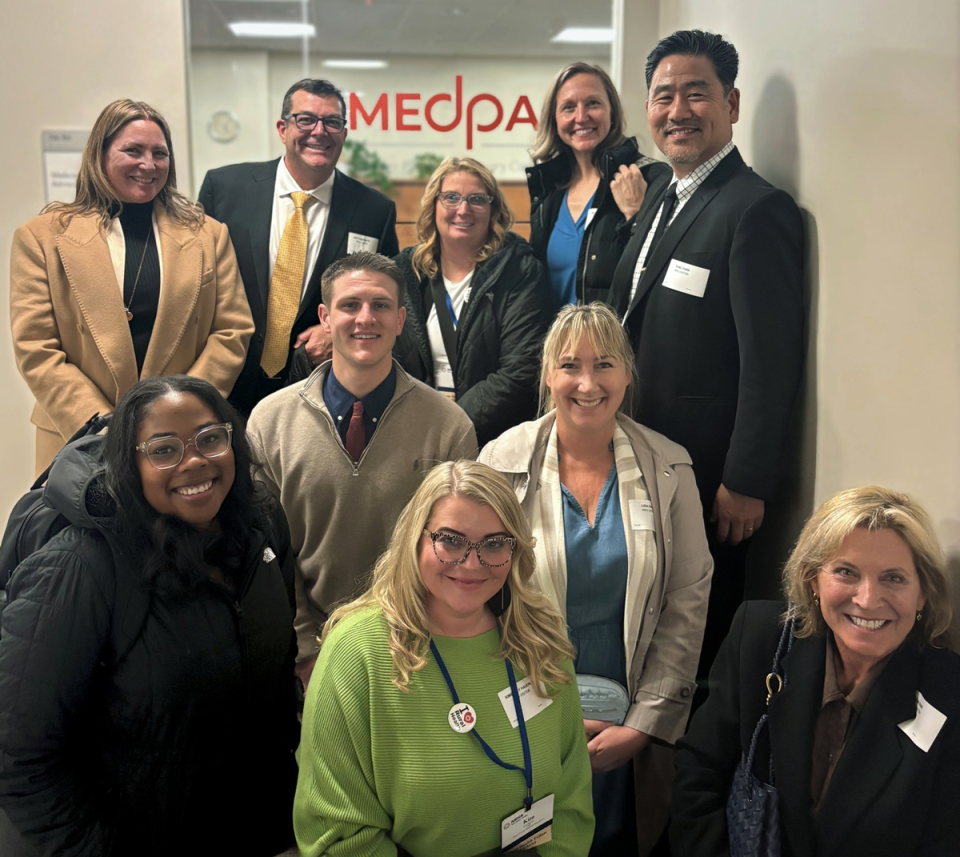
McLendon, who traveled to Washington in February, was pleasantly surprised by how receptive Missouri’s congressional delegation was. “Everyone tries to make advocacy seem like something highly specialized and out of reach, but I found the opposite is true. Our representatives and senators wanted to know what we were doing on the ground and how they could best shape legislation to meet the needs of their constituents,” she says.
That may reflect some of the training all students in the program receive on how to have productive conversations rather than staking out and defending a particular position. “I always tell students not to wrap themselves in a cloak of being a do-gooder, because that isn’t going to get you very far,” MacPherson says.
Instead, the school encourages students to use narratives that can bring public health data to life. “Vivid, concrete, emotionally engaging details about real people give us the ability to picture something. And when we picture it, we believe it,” says Lise Saffran, MFA, MPH, who teaches the storytelling class.
Barr couldn’t agree more. “Public health never succeeded by mandating anything,” she says. “You have to bring people along and touch people’s hearts.”
Confident that there are many more professionals in rural communities ready to leverage their local knowledge and connections to tackle vexing problems, Berkeley is now looking for additional funders to expand the program. “We’ve reached 100 rural counties and have 1,900 to go,” Barr says.
