

Severe convective storm (SCS) outbreaks across parts of the United States this week are anticipated to drive insurance market losses in the low to mid-single-digit range, according to initial analysis from reinsurance brokers Gallagher Re and Aon.
“An initial assessment of tornado, hail, and straight-line wind damage suggests insured losses were expected to eventually settle into the low to mid-single-digit billions (USD). The overall direct economic cost was expected to be another 20-25% higher than the eventual insured loss given that wind and hail-related damage often have a much higher rate of insurance coverage for active residential, commercial, and auto policies,” Bowen explained.
This outbreak is expected to become the costliest US SCS event of 2026 so far, with economic damages coming in around 20% to 25% higher than insured, Gallagher Re said.
As with any multi-billion insurance industry loss event from severe weather in the US, there could be ramifications for certain aggregate reinsurance arrangements, in terms of erosion of aggregate deductible layers beneath attachment points.
That also applied to aggregate catastrophe bond transactions that cover the severe convective storm peril and with some of these having experienced erosion of attachment levels from winter storms earlier this year, it could accelerate any erosion trend.
Gallagher Re further said that aggregate SCS losses in the United States were running at under a billion dollars for January and February, so March has increased that meaningfully.
Bowen further stated that, “March is known as the historical start to “peak” SCS season in the United States. The peak months for overall SCS activity and observed losses are March, April, May, and June. Since 2010, those four months have accounted for at least 72% (USD390 billion) of US SCS insured losses. On an annual basis, the US has now seen three consecutive years of minimal USD50 billion in SCS-related insured losses.”
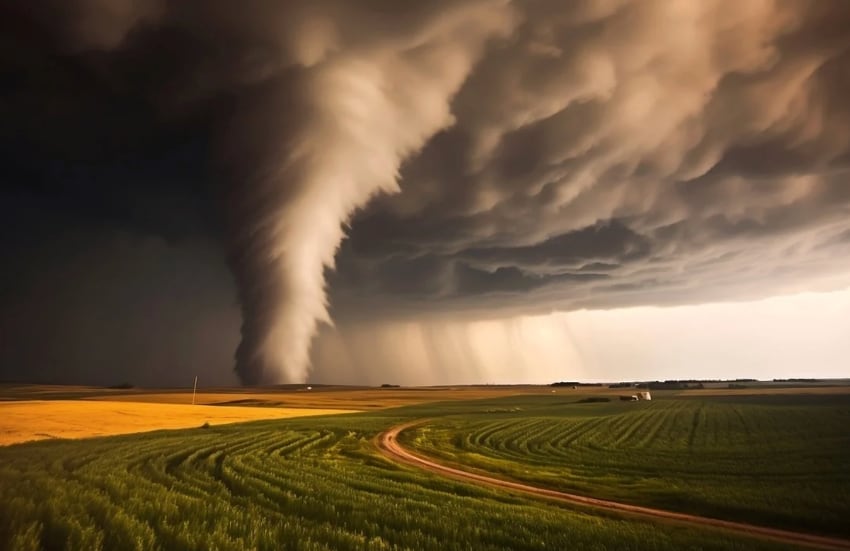
During the SCS outbreak there were a number of storms with 4 inch and larger hail, while wind gusts reached over 70 mph in some regions and tornadoes numbered 14 confirmed so far, ranging from EF0 to one said to be at EF3 intensity.
Bowen further commented that, “SCS (>USD542 billion) has now well surpassed the tropical cyclone peril (>USD367 billion) on an aggregate basis as the costliest for insurers since 2010. Those totals are adjusted to today’s dollars. This data further cements SCS’ status as a primary / peak peril for the US property and casualty insurance sector and permanently shedding its label as a secondary area of focus for the industry.”
Insurance and reinsurance broker Aon has also reported on this SCS outbreak, but its analysis covers severe weather from the period of March 5th to the 11th.
Aon explained, “A nearly continuous outbreak of severe weather on March 5-11 greatly affected the central and eastern United States. Among the worst impacted was the Great Lakes, where multiple, significant tornadoes caused extensive damage in Illinois, Indiana, and Michigan. Strong winds and large hail affected a large swath from Texas to the Great Lakes, causing large infrastructure and property damage. Officials have confirmed 10 deaths and 40 injuries, most due to tornado impacts. Total economic and insured losses over the past week may reach the low to mid-single digit billions USD.”
Aon further stated that, “Given the initial damage assessments, total economic and insured losses may reach the low to mid-single digit billions USD. Further loss development is expected in the coming weeks and months as additional assessments are still ongoing. Thus, it remains to be seen how the March 5-11 outbreak compares against previous U.S. severe weather events.”
This event marks the most severe convective weather event of 2026 so far in damage and financial cost terms.

