


Yolibeth’s 4-year-old daughter scrambled headfirst onto a cushy leather love seat at their home near New Orleans and pushed a hairbrush into the hands of Miriam Romero, a health coordinator who works with the family. Romero placed the girl in her lap and started brushing her dark hair.
Yolibeth, a 38-year-old single mother who moved to South Louisiana from Honduras 15 years ago, watched them, smiling. The daughter is the youngest of five children living in this mixed-status household. Yolibeth and her two oldest kids don’t have legal immigration status, but the other three — ages 4, 9, and 13 — were born in the U.S. and are citizens.
All of her U.S.-born kids were enrolled in Medicaid at birth, which made it affordable for her to take them to the doctor for regular checkups when they were little. Her oldest two, ages 15 and 17, have never had health insurance, so Yolibeth relies on low-cost community clinics when she can afford it.
But now she worries that healthcare access for all of her children is slipping away. Yolibeth has been waiting for months to hear whether any of her children’s Medicaid renewal applications has been approved. She fears they will be denied because of a new Louisiana law targeting noncitizen Medicaid enrollees, even though she isn’t applying for herself. She worries particularly about her 4-year-old’s access to routine care and required childhood vaccines.
“ I cannot access the same services, and so my child is not getting what she needs to grow healthy,” Yolibeth said in Spanish as her daughter giggled on the love seat.
Verite News and KFF Health News agreed to not use Yolibeth’s full name, because she is worried about repercussions related to her immigration status.
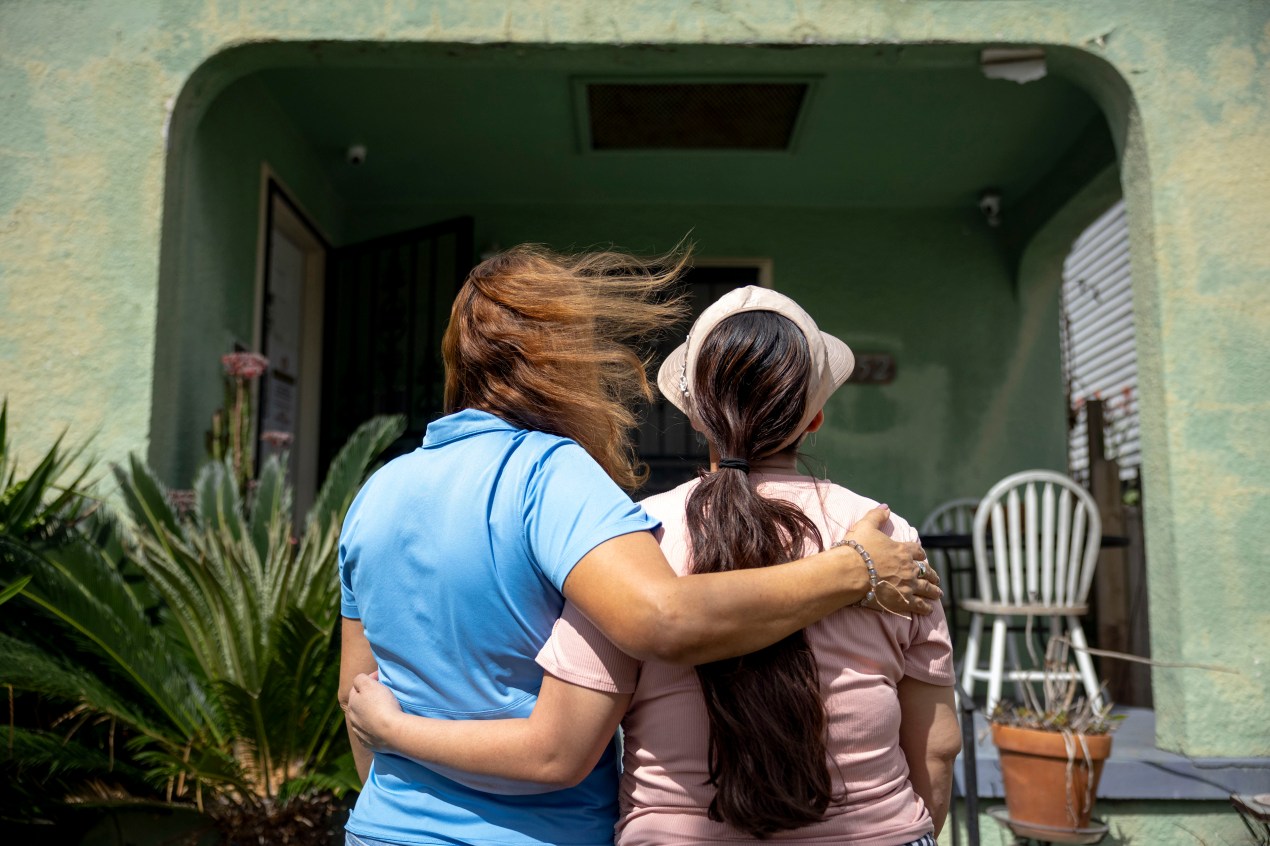
Romero, who works for a local immigrant advocacy group, Familias Unidas en Acción, said that in a single week she received calls from eight immigrant families who had been denied after applying for Medicaid on behalf of children who are citizens.
“Because of the law that passed in Louisiana, children are losing their Medicaid every day,” Romero said in Spanish. “The more time that goes by, the more children are impacted by it.”
Romero said that all children from mixed-status families are likely to be denied Medicaid by the end of the year.
Missing Out on Care
Nationally, many immigrants said they skipped or delayed healthcare last year, citing issues including costs, struggles finding services, and fears about their or a family member’s immigration status, according to polling by KFF and The New York Times. Immigrants without legal status were the most likely to skip or delay care for themselves or their children. An increasing number of immigrants avoided applying for programs like Medicaid, too scared to risk drawing attention to their or a family member’s immigration status, even if they were eligible.
In Louisiana, where about a third of residents are enrolled in Medicaid, the new state law has added to those fears. The law requires the Louisiana Department of Health to verify Medicaid applicants’ U.S. citizenship, terminate coverage for applicants with “unsatisfactory” proof of status, and report those applicants to U.S. Immigration and Customs Enforcement. Since the measure passed in Louisiana, similar bills have passed in North Carolina, Wyoming, Indiana, and Tennessee. At least three other states were considering similar measures this year.
State Rep. Chance Keith Henry, a Republican who sponsored the Louisiana bill, did not return calls or emails from Verite News seeking comment on the effects of the law. He said in last year’s state House floor debate that he didn’t anticipate any chilling effect on immigrants seeking healthcare. He also said that children born in the U.S. to parents without legal status would still receive Medicaid.
“This is making sure that American citizens and our taxpayers are taken care of and not illegal immigrants,” he said in the May 2025 floor debate.

State health officials said Medicaid applicants can’t be reported to ICE under the law without a formal investigation request by “the appropriate authorities.” Otherwise, reporting applicants without their consent would violate federal Medicaid and privacy laws.
But immigrant rights advocates say the law has had a chilling effect on applications and has led to immigrant families losing healthcare and resources they qualify for.
They said cutting off that access compounds the fear created by immigration enforcement crackdowns in states including Louisiana and Minnesota, and by federal policy changes such as a data-sharing agreement between ICE and the Centers for Medicare & Medicaid Services and reductions in the number of noncitizens eligible for Medicaid.
Advocates said it’s unclear whether the new law has led to any detainments or deportations of people applying for Medicaid or other public benefit programs. But Aaron Moseley-Saldívar, a legal and public policy adviser with the Louisiana Organization for Refugees and Immigrants, said the legislative and policy changes act as a deterrent to immigrant families, even if they qualify for Medicaid as a legal resident, refugee, or asylum seeker, or have another form of legal status.
“ People are not applying for things that they probably otherwise would be eligible for, because they are intimidated by these laws and they’re worried that they’re going to get caught up in the system,” Moseley-Saldívar said. “ You have a large amount of people in Louisiana that are not leaving their homes at all, because they’re afraid of policies like this.”
Moseley-Saldívar said he believes the Louisiana law and similar policies are primarily aimed at removing people from state services. The state legislature passed a new bill on May 27 to build on the 2025 law. It seeks to further narrow which noncitizens are qualified for public benefits in Louisiana, even though such restrictions for Medicaid are typically governed at the federal level.
The Louisiana Department of Health’s first annual update on the new law does not contain any data on applicants reported to ICE since the law took effect last August. But by February of this year, the state had terminated the coverage of 87% of enrollees who had unverified immigration or citizenship status as of June 2025.
From July 1, 2024, to June 30, 2025, according to the report, 1% of the 1.6 million people in Louisiana enrolled in Medicaid weren’t citizens, and fewer than 4,000 had an unclear immigration status.

‘A Double-Edged Sword’
Late last year, more than 600 people lined up at 4 a.m. outside a Louisiana Organization for Refugees and Immigrants health fair, hoping to receive a free health checkup, said Sharon Njie, the nonprofit’s communications and strategic partners director. The fair was scheduled to begin at 9 a.m.
“ We had to start calling the doctors to see if they could come there at 7 a.m., because these people have been waiting for two hours in the cold,” Njie said. “We were so overwhelmed.”
Romero said some families in the New Orleans area have been waiting six months to vaccinate their children at one of the free events put on by healthcare providers. But she said fewer free health events for children have been scheduled, and even fewer for adults. For many of the residents she works with, Romero said, preventive care such as a Pap smear or prostate screening is out of reach.
“The challenge right now is a double-edged sword of people not going to the doctor out of fear but also ending up in an emergency that is too hard to treat,” Romero said. “It’s a life-or-death situation.”
For families with no other option, Njie and Romero try to connect people to doctors sympathetic to the immigrants’ plight and willing to absorb the cost of care or offer a discount, such as medical providers who are immigrants themselves.
But that does not address the systemic problems of immigrant access to healthcare created by the state law and federal immigration policies, or the lower quality of care for those who seek it. For example, one local New Orleans clinic, Luke’s House, caters to Spanish-speakers and immigrants, though it’s staffed largely by medical students, Romero said, so the level of care isn’t the same.
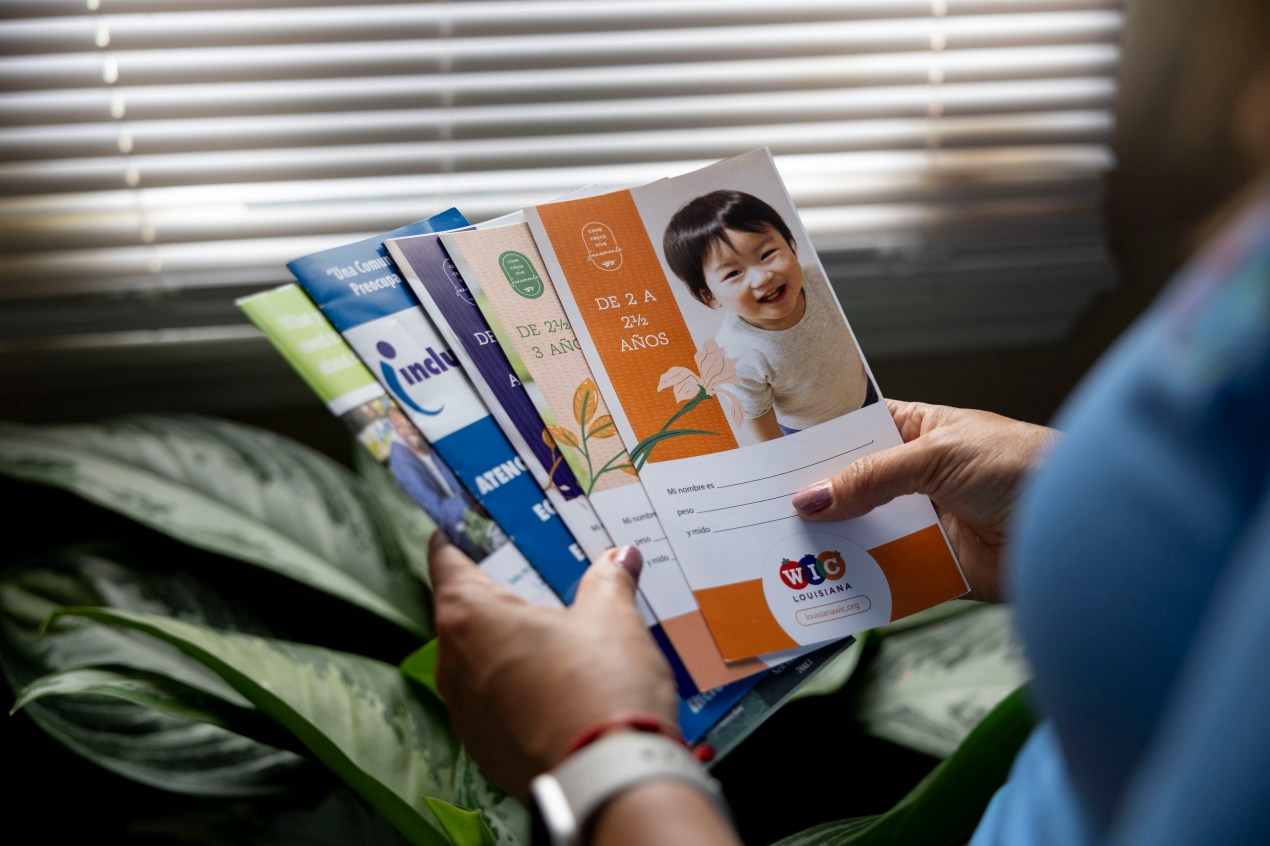
While she waits for word on three of her kids’ Medicaid applications, Yolibeth secured a free insurance plan for them on the Louisiana Affordable Care Act marketplace, she said. But she hasn’t found any doctors who will accept the coverage, she said, leaving them effectively uninsured.
When her 13-year-old son recently fell ill, she wanted to take him to a pediatrician. But she said she couldn’t afford the $200 the appointment would have cost, plus any tests and medication.
Without a doctor’s note to provide proof of his illness, she said, she had to send her sick son to school, potentially exposing other children to a virus. Earlier in the school year, she was called into the school’s office after he missed five days because of illness. In Louisiana, truancy can be punishable with parental fines, community service, or jail.
Romero said if enough school is missed because of sickness, a criminal case could lead to family separation.
“That is unthinkable,” she said. “All because a family could not afford to take a child to see the doctor as opposed to these things being guaranteed to begin with.”
