
Close Menu
  • Home
  • Life Insurance
  • Auto Insurance
  • Home Insurance
  • Health Insurance
  • Business Insurance
  • Travel Insurance
  • Specialized Insurance
  • Insurance Tips & Guides
Facebook X (Twitter) Instagram
Insure GenZInsure GenZ Thursday, April 30
  • About Us
  • Contact Us
  • Disclaimer
  • Terms & Conditions
  • Privacy Policy
Facebook X (Twitter) Instagram
Subscribe
  • Home
  • Life Insurance
  • Auto Insurance
  • Home Insurance
  • Health Insurance
  • Business Insurance
  • Travel Insurance
  • Specialized Insurance
  • Insurance Tips & Guides
Insure GenZInsure GenZ
Home»Health Insurance»Tracking Implementation of the 2025 Reconciliation Law: Medicaid Work Requirements
Health Insurance

Tracking Implementation of the 2025 Reconciliation Law: Medicaid Work Requirements

AwaisBy AwaisApril 29, 2026No Comments2 Mins Read1 Views
Facebook Twitter Pinterest Telegram LinkedIn Tumblr Copy Link Email
Follow Us
Google News Flipboard
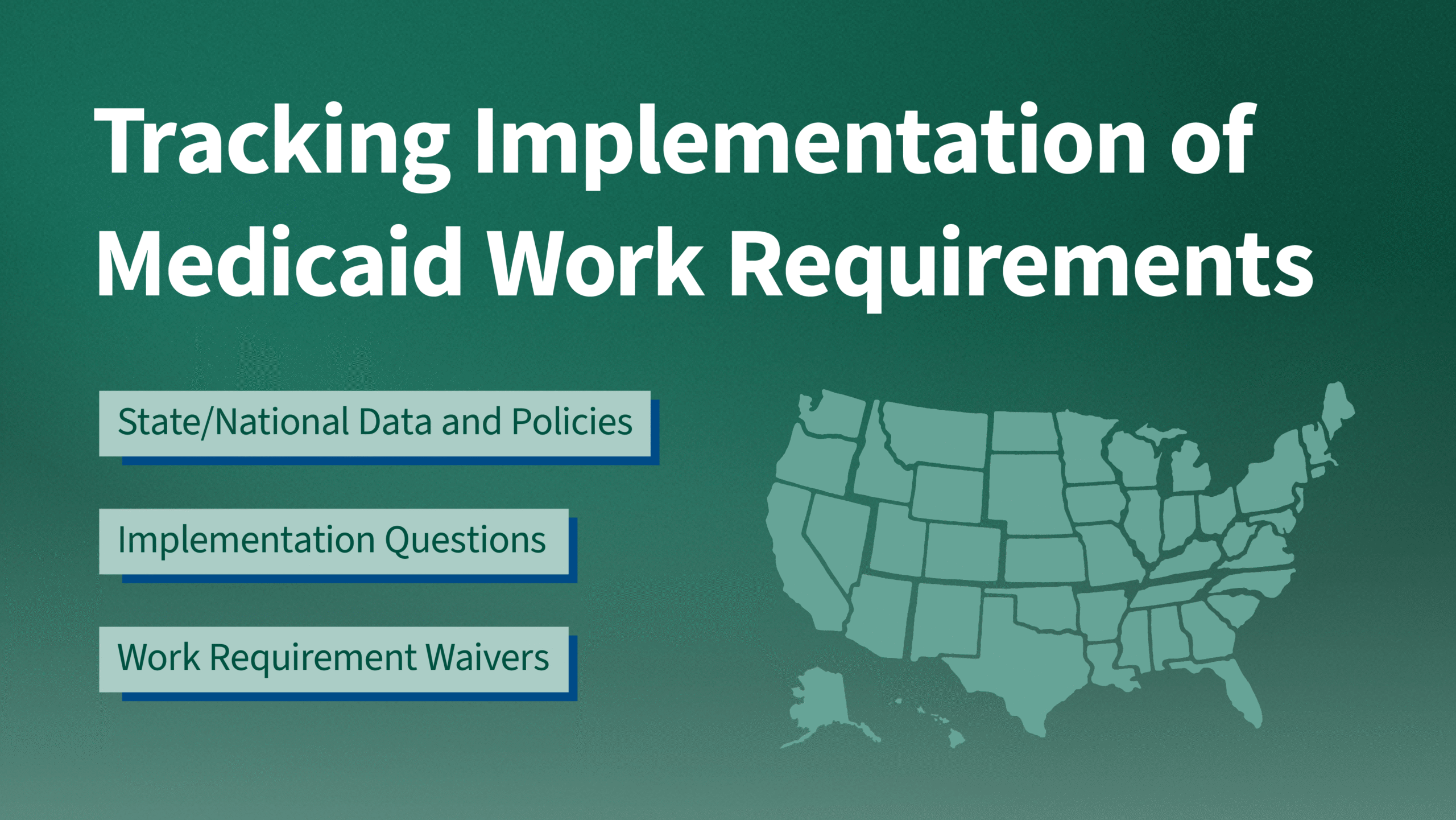
Tracking Implementation of the 2025 Reconciliation Law: Medicaid Work Requirements Data and Policies
Share
Facebook Twitter LinkedIn Pinterest Email Copy Link

The 2025 reconciliation law, once called the “One Big Beautiful Bill,” signed by President Trump on July 4, 2025, conditions Medicaid eligibility for adults in the Affordable Care Act (ACA) Medicaid expansion group and enrollees in partial expansion waiver programs (Georgia and Wisconsin) on meeting work requirements starting January 1, 2027. Currently, 41 states (including DC) have expanded their Medicaid programs under the ACA to nearly all adults with income up to 138% FPL ($21,597 for an individual in 2025).

To implement Medicaid work requirements, states will need to make important policy and operational decisions, implement needed system upgrades or changes, develop new outreach and education strategies, and hire and train staff, all within a relatively short timeframe. The information tracked here can serve as a resource to understand Medicaid work requirements and state options, gauge readiness, and track implementation of the requirements, including:

  • NEW: State reported plans and policies related to implementing Medicaid work requirements, as well as state and national data on Medicaid enrollment, renewal outcomes, and application processing times that can serve as a baseline for assessing the potential readiness to implement the requirements and the impact of work requirements once implemented; 
  • Federal guidance and a list of policy and operational questions that states will need to answer as they implement work requirements;
  • Updates on 1115 waivers submitted by states to implement work requirements (while waivers will no longer be needed starting January 2027, some states may pursue waivers to implement work requirements earlier than January 2027); and
  • A compilation of KFF issue briefs and other resources on Medicaid work requirements.

This resource will be updated to include guidance from the Centers for Medicare and Medicaid Services (CMS), information on state policy decisions as they are made, and new data when available.

Continue scrolling to learn more about the Medicaid work requirements in the 2025 reconciliation law.

Implementation Law Medicaid Reconciliation requirements Tracking Work
Follow on Google News Follow on Flipboard
Share. Facebook Twitter Pinterest LinkedIn Telegram Email Copy Link
Awais
  • Website

Related Posts

Health system CEOs in hot seat over their role in raising healthcare prices

April 30, 2026

Big Companies Position Themselves for Payday From $50B Federal Rural Health Fund

April 29, 2026

Health disparities persist across states and may widen further with federal cuts: report

April 29, 2026
Leave A Reply Cancel Reply

Our Latest Blogs

Health system CEOs in hot seat over their role in raising healthcare prices

April 30, 2026

Palomar raises target for Torrey Pines Re 2026-1 catastrophe bond to as much as $410m

April 29, 2026

Tracking Implementation of the 2025 Reconciliation Law: Medicaid Work Requirements

April 29, 2026

The Hidden Cost of Legacy Insurance Systems

April 29, 2026
Recent Posts
  • Health system CEOs in hot seat over their role in raising healthcare prices
  • Palomar raises target for Torrey Pines Re 2026-1 catastrophe bond to as much as $410m
  • Tracking Implementation of the 2025 Reconciliation Law: Medicaid Work Requirements
  • The Hidden Cost of Legacy Insurance Systems
  • Voluntary severance packages: a good way to get rid of the old and the weak?

Subscribe to Updates

Insure Genz is a modern insurance blog built for the next generation. Subscribe it for more updates.

Insure Genz is a modern insurance blog built for the next generation. We break down complex topics across categories like Auto, Health, Business, Life, and Travel Insurance — making them simple, useful, and easy to understand. Whether you're just getting started or looking for expert tips and guides, we've got you covered with clear, reliable content.

Our Picks

Health system CEOs in hot seat over their role in raising healthcare prices

April 30, 2026

Palomar raises target for Torrey Pines Re 2026-1 catastrophe bond to as much as $410m

April 29, 2026

Tracking Implementation of the 2025 Reconciliation Law: Medicaid Work Requirements

April 29, 2026

The Hidden Cost of Legacy Insurance Systems

April 29, 2026
Most Popular

Health system CEOs in hot seat over their role in raising healthcare prices

April 30, 2026

Palomar raises target for Torrey Pines Re 2026-1 catastrophe bond to as much as $410m

April 29, 2026

Tracking Implementation of the 2025 Reconciliation Law: Medicaid Work Requirements

April 29, 2026

The Hidden Cost of Legacy Insurance Systems

April 29, 2026
  • About Us
  • Contact Us
  • Disclaimer
  • Terms & Conditions
  • Privacy Policy
© 2026 Insure GenZ. Designed by Insure GenZ.

Type above and press Enter to search. Press Esc to cancel.